Interactive learning experience
More than a
highlight reel.
One life, examined as evidence. See what everyone saw, analyse what talent did not protect against, decide how you would respond — then reconsider it, and carry one thing back into your own setting.
See • Analyze • Connect • Decide • Reconsider • Apply
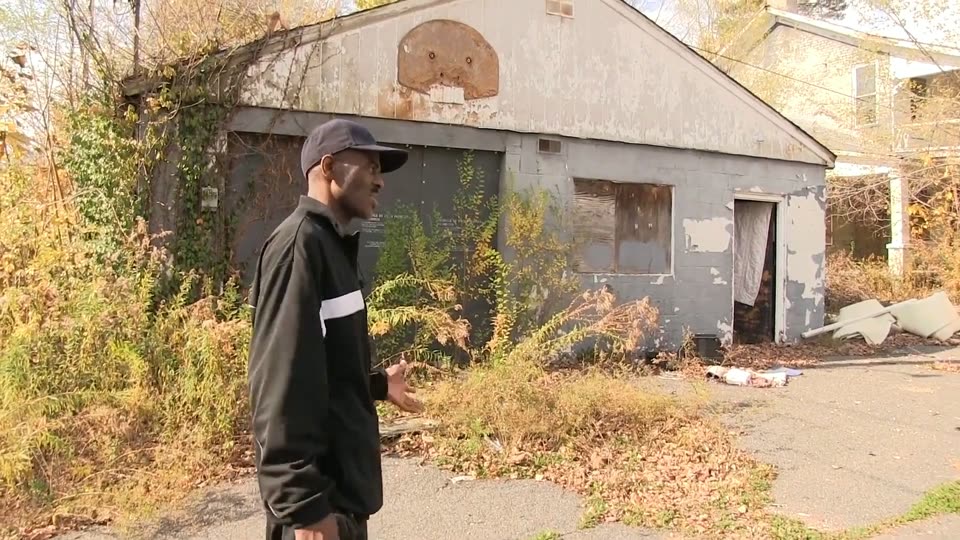
Three arcs • Nine scenes
Essential questions
- How does extraordinary talent shape what others see about a person — and what they may fail to see?
- How do choices, environment, relationships, opportunity, loss and access to support interact over the course of a life?
- What separates observing someone's behavior from interpreting it or judging the person — and how does that distinction affect the way we respond?
- How can lived experience become learning that changes another person's understanding, decisions or actions?
By the end you should be able to
- Distinguish observation, interpretation and assumption when examining a person's story.
- Analyze interacting factors that influence a person's trajectory rather than defaulting to a single-cause explanation.
- Use evidence from a story to support an interpretation.
- Evaluate possible support responses using privacy, autonomy, evidence, urgency, continuity and role boundaries.
- Identify characteristics of sustained support and recovery.
- Transfer a principle from the story to another setting without overgeneralizing one person's experience.
Arc I
The Story Everyone Saw
Talent • Identity • Expectation
Start with the version of Dwight Anderson the public was given: what he could do, and what people expected because of it.
Arc II
What Talent Did Not Protect Against
Risk • Environment • Loss • Addiction • Consequence
Four scenes about what talent could not hold off. Look for interacting causes rather than a single one.
Arc III
What Help Actually Looks Like
Intervention • Recovery • Structure • Belonging • Purpose
Support in practice: concrete actions, relationships and structures that have to keep working over time.
Before you begin
These scenes talk about substance use, losing a home, and finding a way back. Pause whenever you like, skip a scene, or come back later.
Nine documentary scenes
Extraordinary Talent
Clip ready
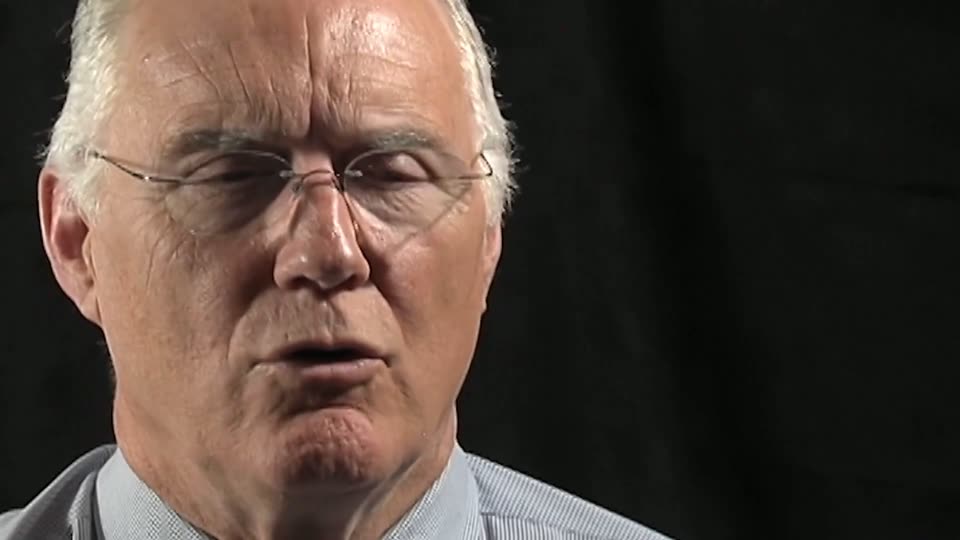
When It Stopped Being Recreational
Clip ready
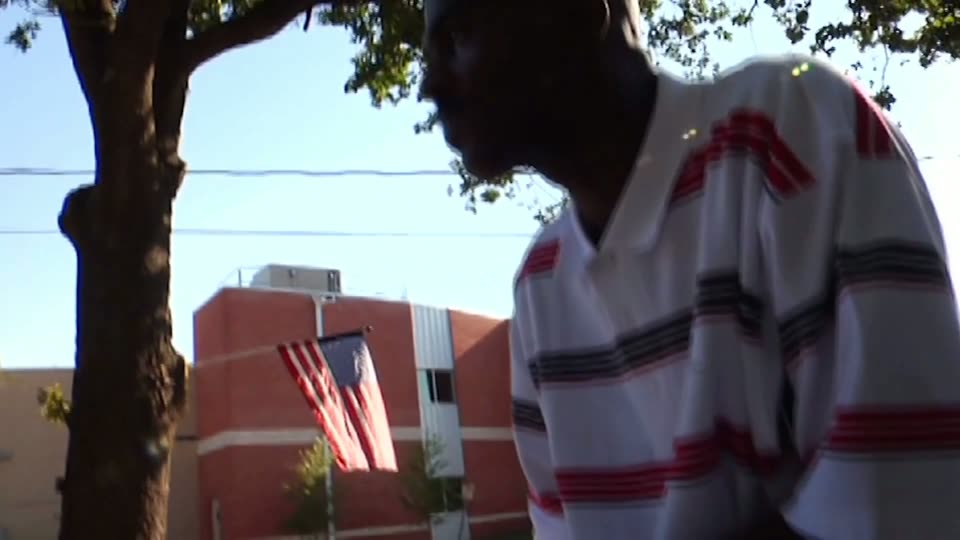
The Cut
Clip ready
What The Scene Shows
Clip ready
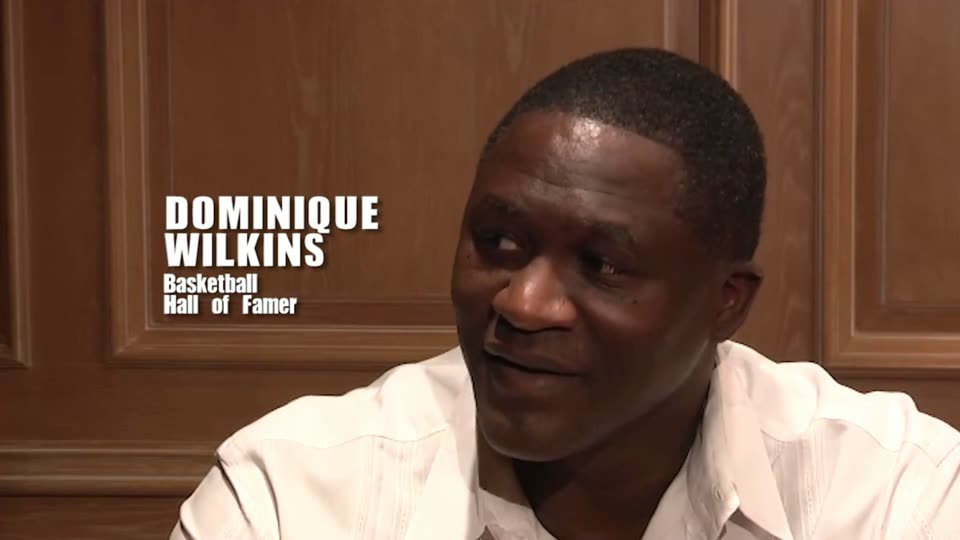
The Explanation Offered
Clip ready
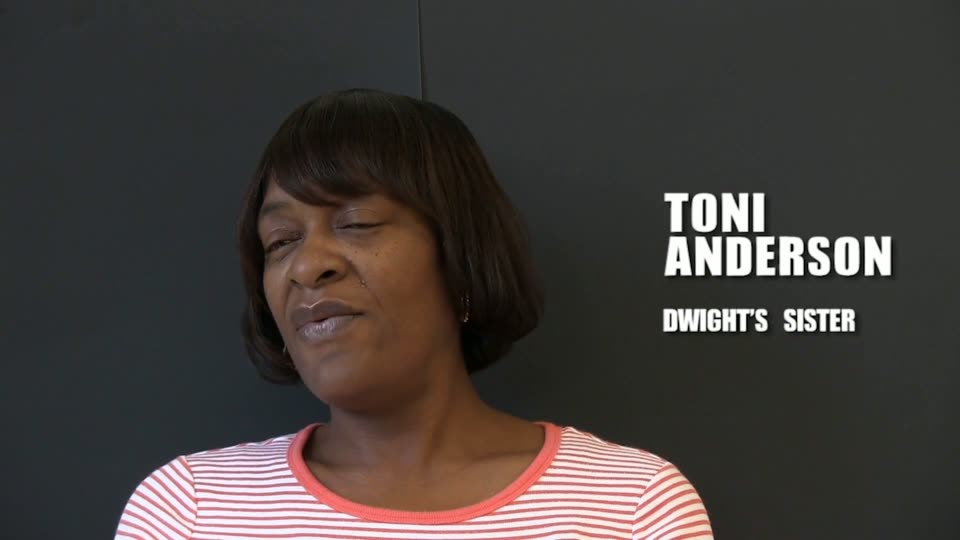
More Than Concern
Clip ready
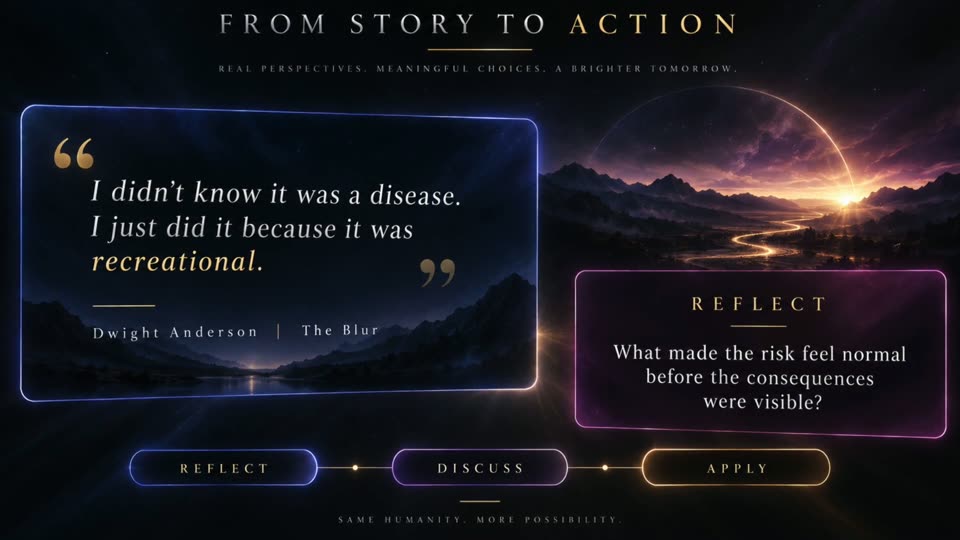
The Keys
Clip ready
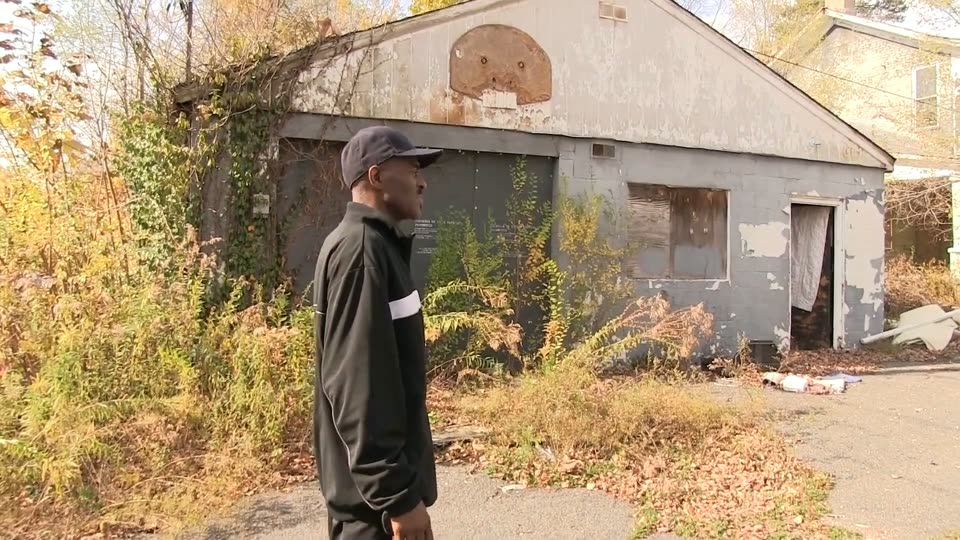
What Recovery Requires
Clip ready

What Transfers
Clip ready